TMJ Treatment Columbus, GA

TMJ Treatment An Overview

Dr. Albert Caves works with many patients who suffer from TMJ-related disorders. The temporomandibular joint (TMJ), more commonly referred to as the “jaw joint”, assists in the basic opening and closing movements of the jaw. Unfortunately, this joint is a common area for recurring pain. Dr. Caves offers TMJ therapy as part of his restorative dental treatments.
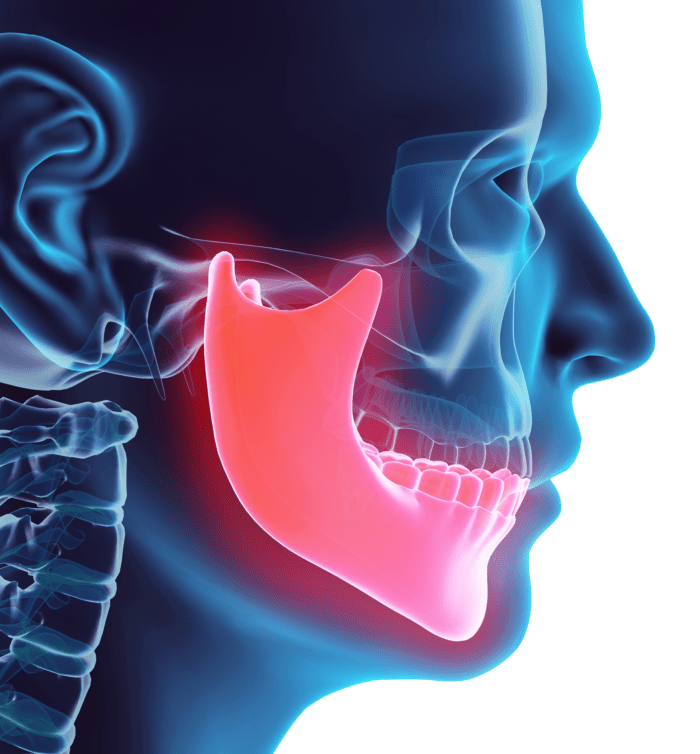
columbus oh tmj treatment

What Causes TMJ Disorder?

There is no single cause for TMJ dysfunction. There are a number of factors that contribute to this complicated condition. Most commonly, trauma to the head or face is to blame for TMJ problems.

Signs and symptoms of TMJ dysfunction may include:

  • Teeth grinding
  • Frequent headaches or migraine headaches
  • Pain in the face, neck, or shoulders
  • Popping or clicking in the jaw joints
  • Tooth wear
  • Chronic earaches

Although a common sign of TMJ dysfunction, a “popping” sound in the jaw does not necessarily indicate a problem. Some people hear a “popping” sound when chewing or talking, but have a properly functioning TMJ.

TMJ Treatment What to Expect

TMJ Treatment depends entirely on the patient. There is no single method of treatment or standard TMJ therapy. Dr. Caves offers a TMJ exam that evaluates the joint tissue in the “hinge” of the jaw. Possible problems include swelling, deterioration of the joint tissue, or damaged joint tissue (which cushions the jaw bones during the opening and closing movement of the mouth).

Possible TMJ treatment may include using a mouth guard to relieve teeth grinding. In some cases, we will instruct you to use orthodontic appliances or retainers to alleviate discomfort or redirect the positioning of the TMJ joint. For the most severe cases of TMJ, we may recommend certain invasive procedures.

For chronic cases, there may be damage to the teeth that Dr. Caves can repair. Teeth grinding, for example, can cause the teeth to wear prematurely. They may be corrected with dental bonding, porcelain veneers, or dental crowns.

Absolutely the best dental practice in the area. I have been to others, but have stuck to this one. The staff is always positive and friendly, well-trained and knowledgeable, gentle and caring. The rooms and chairs are very comfortable and clean with an organized and clutter-free environment. Highly recommend to anyone and everyone who might be new to the area or just looking for a new dentist altogether. – Jonathan Whaley

TMJ dysfunction can put restrictions on your life and cause chronic pain and discomfort. Contact our Columbus, Georgia dental office today to learn more about TMJ therapy and to schedule a consultation with Dr. Caves.


TMJ Treatment FAQs

What causes TMJ disorder?

TMJ disorders can develop from several different factors, including teeth grinding, jaw clenching, stress, injury, arthritis, or bite misalignment. In some cases, the exact cause may be difficult to identify because multiple factors contribute to the problem. Muscle tension and excessive pressure on the jaw joints are common contributors. Understanding the underlying cause helps guide the most effective treatment plan.

Why does my jaw click or pop when I open my mouth?

Jaw clicking or popping can occur when the components of the temporomandibular joint do not move smoothly together. While some joint noises are harmless, others may indicate inflammation, disc displacement, or joint dysfunction. Clicking accompanied by pain, locking, or difficulty opening the mouth should be evaluated by a dental professional. A proper diagnosis can help determine whether treatment is needed.

What foods should I avoid if I have TMJ pain?

Patients experiencing TMJ discomfort may benefit from avoiding hard, crunchy, chewy, or sticky foods that place excessive strain on the jaw joints. Foods such as ice, tough meats, hard candies, and chewing gum can aggravate symptoms. Softer foods are often recommended during periods of increased discomfort. Your dentist can provide dietary recommendations based on your condition.

Can TMJ disorder affect my ability to chew?

Yes, TMJ disorder can make chewing uncomfortable or difficult for some patients. Pain, muscle fatigue, joint inflammation, or limited jaw movement may interfere with normal chewing function. In severe cases, patients may avoid certain foods due to discomfort. Effective treatment can often improve chewing ability and overall jaw function.

Why does my jaw lock open or closed?

Jaw locking may occur when the temporomandibular joint is not functioning properly. This can result from disc displacement, muscle spasms, joint inflammation, or other structural issues. Some patients experience occasional locking, while others may have more persistent episodes. Because jaw locking can interfere with normal function, it should be evaluated by a dental professional.

Can TMJ disorder return after treatment?

TMJ symptoms can sometimes return if contributing factors such as stress, teeth grinding, or jaw strain continue. Maintaining good habits and following your dentist’s recommendations can help reduce the likelihood of recurrence. Some patients benefit from long-term use of a custom oral appliance to protect the jaw joints. Regular dental visits also help monitor your progress and address concerns early.

Dr. Albert Caves, DMD

Why choose Albert Caves DMD?

Dr. Albert Caves has served patients and families in the greater Columbus, GA area for over 20 years. A highly trained and experienced dentist, Dr. Caves works with patients of all ages to maintain, restore or enhance the beauty and function of their natural smile.

Dr. Caves is a leading local dentist for same-day dental restorations using advanced CAD/CAM technology. We can place a beautiful new crown or custom restoration during a single visit. Dr. Caves places all types of dental implants, helping patients with missing teeth or poorly fitting dentures to get back to smiling with confidence.