
Hardly anyone has a “perfect smile”. One of the most common issues is with the alignment or spacing of teeth. Orthodontics is a specialty of dentistry that focuses on straightening the teeth and aligning the bite.
Most people seek orthodontic treatment in their teenage years. However, many adults need orthodontic treatment as part of restorative dentistry or full mouth rehabilitation. Dr. Caves refers patients to his father, Dr. Sammy Caves, who has practiced Orthodontics in Columbus for over 25 years.
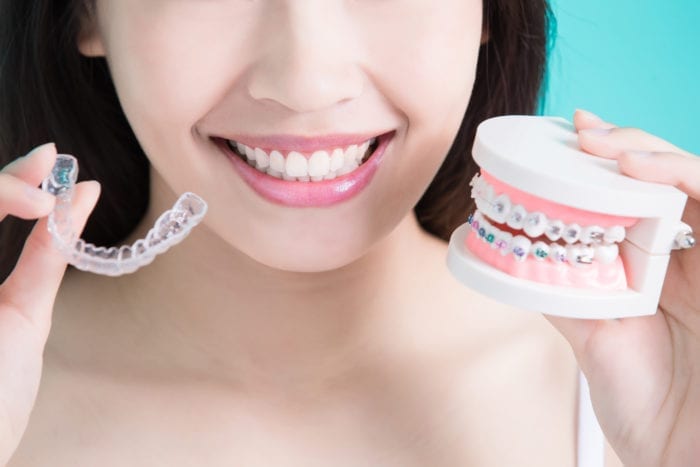
Orthodontics in Columbus, GA
Typical orthodontic problems treated with braces include:
- Crowded Teeth
- Spaces Between Teeth
- Narrow Tooth Arches
- Intrusive Teeth
- Malocclusion (improper bite) may be related to TMJ discomfort
Orthodontic treatment ranges from person to person and can last anywhere from 6 to 24 months, depending on your condition. Dr. Caves will work with you to help you or your child maintain proper oral hygiene throughout your orthodontic treatment. Caring for braces can be a challenge, especially for adolescents. Our staff will teach you the proper techniques to care for your braces and teeth.
This was the highest rating dentist in the area I wanted. I went the first time because I broke a tooth. I went in and they had me all fixed up in one day and fit me in for my 6 month cleaning. The staff ladies are absolutely darling and so sweet and tentative to your needs. And Dr. Caves is a warming dentist and not in the slightest intimidating. Which is a very high quality when I look for dental care. I was also told by another dentist I’d never be able to get braces because I had a root canal and a crown, but he is referring me to his father who is an orthodontist and says it should be no problem to get braces. So I can’t wait to meet his father and being my journey to a beautiful smile. I highly recommend this dentistry. – Anna Sullivan
Orthodontics FAQs
Orthodontics improve your bite and straighten your smile. Learn more below.
How do I know if I need orthodontic treatment?
You may be a candidate for orthodontic treatment if you have crowded teeth, gaps between teeth, an overbite, an underbite, a crossbite, or difficulty chewing comfortably. Some patients also seek treatment because they are unhappy with the appearance of their smile. A comprehensive evaluation allows the dentist to assess your teeth, jaw alignment, and bite relationship. Based on these findings, a personalized treatment plan can be recommended.
At what age should orthodontic treatment begin?
Orthodontic evaluations are often recommended during childhood, but treatment can be beneficial at almost any age. Early evaluations allow dental professionals to identify developing alignment issues before they become more severe. However, many adults successfully undergo orthodontic treatment later in life. The best timing depends on your specific needs and treatment goals.
Can adults get orthodontic treatment?
Absolutely. More adults than ever are choosing orthodontic treatment to improve their smiles and oral health. Modern orthodontic options often provide more discreet and comfortable treatment than traditional methods from decades ago. Adults can benefit from correcting longstanding alignment issues, improving bite function, and enhancing overall confidence. A consultation can help determine the most appropriate treatment approach.
Does orthodontic treatment hurt?
Patients may experience mild discomfort when orthodontic treatment begins or after adjustments are made. This discomfort is typically temporary and often subsides within a few days. As teeth gradually shift into new positions, some pressure is expected. Most patients find the benefits of treatment far outweigh the short-term discomfort associated with the process.
How often will I need orthodontic appointments?
The frequency of visits depends on the type of treatment you receive and your progress throughout treatment. Many patients are seen every few weeks to monitor tooth movement and make any necessary adjustments. Regular appointments help ensure treatment stays on track and allow the dental team to address concerns promptly. Your dentist will provide a schedule tailored to your treatment plan.
What happens after orthodontic treatment is completed?
After treatment, patients are typically provided with retainers to help maintain their new tooth positions. Teeth naturally have a tendency to shift over time, so retainer use is an important part of long-term success. Your dentist will explain how often to wear your retainer and how to care for it properly. Following these instructions helps preserve your results for years to come
To learn more about braces and orthodontic care, contact our Columbus, Georgia dental office to schedule a consultation with Dr. Caves.