
Temporomandibular Joint Disorder, commonly known as TMJ or TMD, affects millions of people but often goes undiagnosed because its symptoms can mimic other conditions. The temporomandibular joint connects your jaw to the skull, allowing you to chew, speak, and yawn. When this joint becomes irritated or misaligned, it can trigger a variety of uncomfortable and sometimes surprising symptoms. Recognizing the early signs of TMJ disorder can help you seek appropriate care before the condition worsens.
Jaw Pain and Stiffness
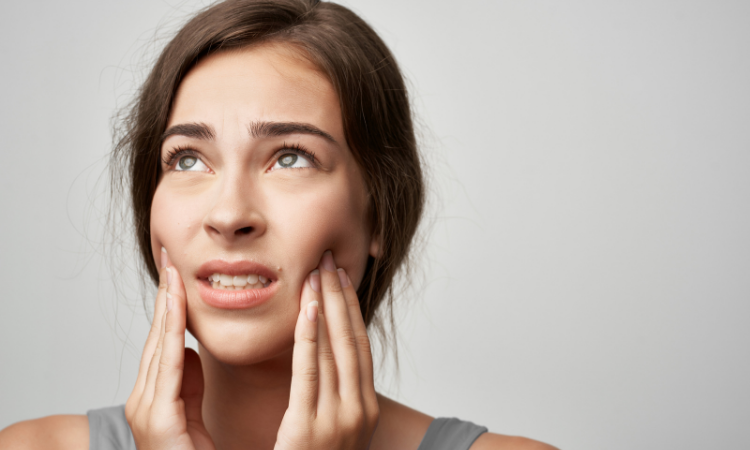
One of the most common indicators of TMJ disorder is persistent jaw pain. This discomfort may appear when you chew, talk, or open your mouth widely. Some people experience a dull ache along the sides of the face, while others notice sharp pain near the ears or jaw joints. Morning jaw soreness can also occur if you clench or grind your teeth at night. Along with pain, many people report stiffness that makes it difficult to fully open or close their mouth. If your jaw feels tight or fatigued even during routine activities, the temporomandibular joint may be struggling to function properly.
Clicking, Popping, or Grinding Sounds
Sounds coming from the jaw joint are another hallmark sign. Clicking or popping noises when opening or closing the mouth can indicate that the disc inside the joint is not moving smoothly. Although these sounds are not always painful, they suggest that the joint is under stress. Grinding sensations or crackling noises may occur if inflammation or imbalanced movement affects the cartilage. Occasional sounds are not necessarily cause for concern, but frequent or noticeable noises combined with discomfort may signal TMJ disorder.
Frequent Headaches
Many people with TMJ disorder experience headaches that are often mistaken for tension headaches or migraines. When the jaw joint is strained, surrounding muscles in the face, neck, and shoulders can become overworked and tight. This muscle tension can radiate upward, causing headaches that typically start near the temples or forehead. If you frequently wake up with headaches or notice them after chewing or speaking for extended periods, your jaw alignment or muscle function may be contributing factors.
Ear-Related Symptoms
Because the temporomandibular joint sits close to the ear canal, TMJ issues often cause ear-related discomfort without any actual ear infection. Common sensations include earaches, fullness or pressure in the ears, and mild ringing. Sound sensitivity may also increase. These symptoms can be confusing and lead to unnecessary medical treatment unless the underlying jaw issue is identified. When ear problems persist despite normal ear exams, TMJ disorder becomes a likely possibility.
Facial, Neck, or Shoulder Pain
TMJ disorder doesn’t confine itself to the jaw. Pain can spread to other areas because the muscles connected to the jaw also stabilize the head and neck. People often report facial aching, tightness in the neck, or soreness in the shoulders and upper back. This discomfort may feel like muscle knots, general stiffness, or sharp twinges during movement. If these symptoms seem to worsen with stress or prolonged jaw use, they may be connected to TMJ dysfunction.
Difficulty Chewing or Bite Changes
Another sign to pay attention to is difficulty chewing, especially if it feels like your teeth no longer fit together naturally. Bite changes can arise when the jaw shifts due to muscle tension or joint inflammation. You may find yourself favoring one side when chewing or noticing that certain foods trigger discomfort. A feeling that your jaw may “lock” or temporarily stick in an open or closed position is also worth noting. Lockjaw is a clear sign that the joint mechanics aren’t functioning smoothly.
Treatment for TMJ Disorder in Columbus, GA
At Caves Family + Cosmetic Dentistry, we are dedicated to helping you preserve your oral health. If you experience frequent jaw pain or discomfort, TMJ disorder could be the culprit. Contact our office today to schedule a consultation and learn more about your treatment options for symptom relief.